
Planes, Trains, Trucks, and Ships:
(The Truth About Diesel Soot Emissions May Shock You)
Diesel engines power the global economy, moving goods across land, sea, and air. From highways and railroads to oceans and skies, diesel is everywhere. But how do the major transportation methods—planes, trains, trucks, and ships—compare in terms of particulate emissions? The truth about diesel soot may shock you.


The Health Risks of Diesel Soot
Diesel engines emit particulate matter (PM), commonly referred to as soot. This tiny pollutant has a massive impact.
Respiratory and Cardiovascular Diseases: Soot particles penetrate deep into the lungs and bloodstream, causing asthma, bronchitis, heart attacks, and strokes.
Cancer Risk: Diesel exhaust is a known carcinogen, linked to lung cancer with prolonged exposure.
Premature Deaths: Diesel particulate matter is responsible for 60,000 premature deaths annually in the U.S.
Communities near highways, rail yards, ports, and airports bear the brunt of these health risks, underscoring the need for emissions control technologies.

Breaking Down the Soot: Trucks, Trains, Planes, and Ships
Let’s compare the soot emissions from the four major transportation modes, revealing surprising efficiencies—and inefficiencies.
Cargo Ships: Giants of Global Trade
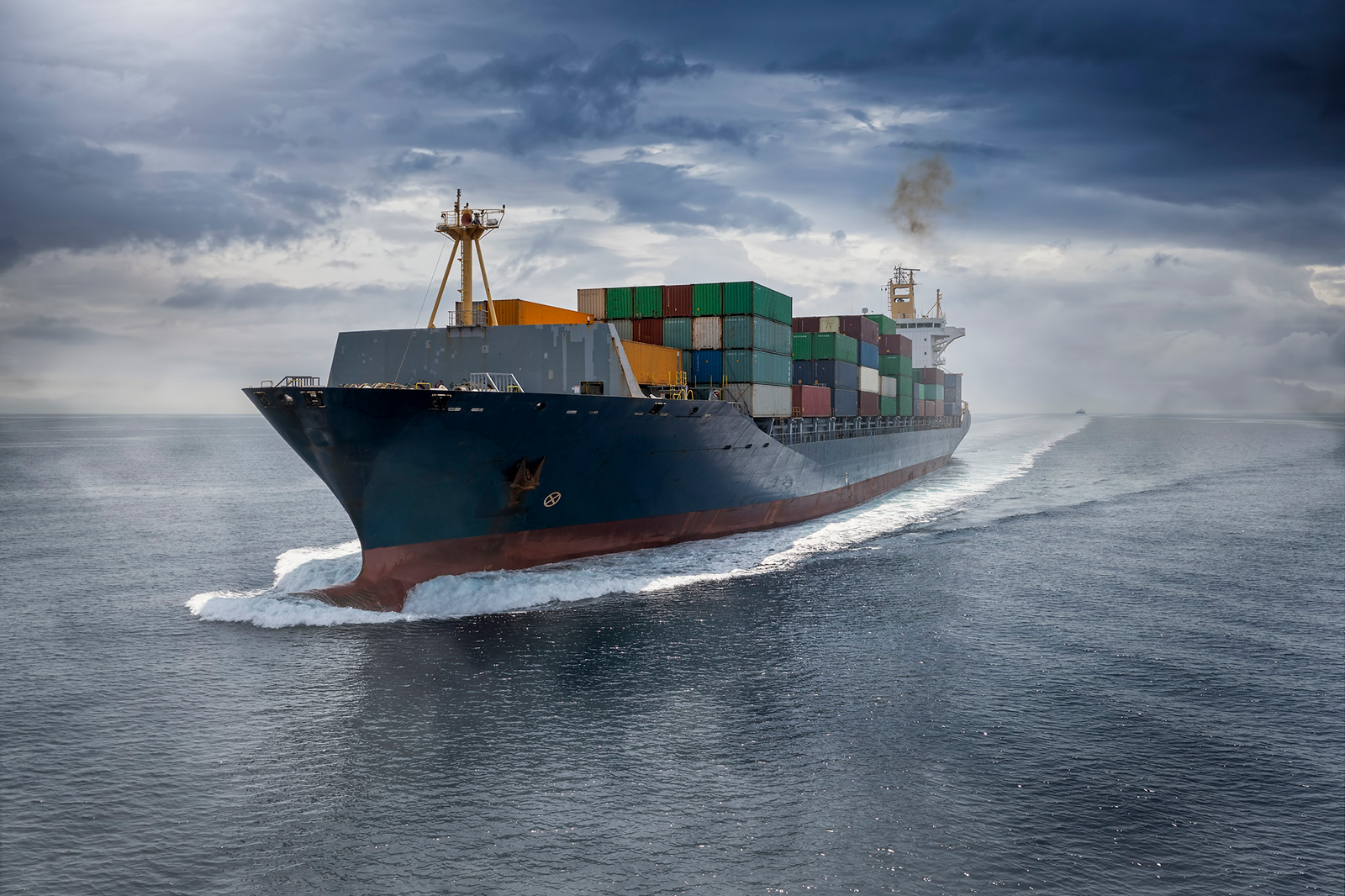
Cargo ships transport 80% of global goods, burning heavy fuel oil as they travel thousands of miles.
Soot Emissions per Mile:
- Soot Emissions per Ton-Mile: 0.0168 grams (0.000037 pounds)
- Freight Capacity: 4,000 tons (for a fully loaded cargo ship)
Annual Output:
A typical cargo ship emits 1,880 tons of soot annually, based on traveling 460 miles per day.
Semi-Trucks: America’s Freight Backbone
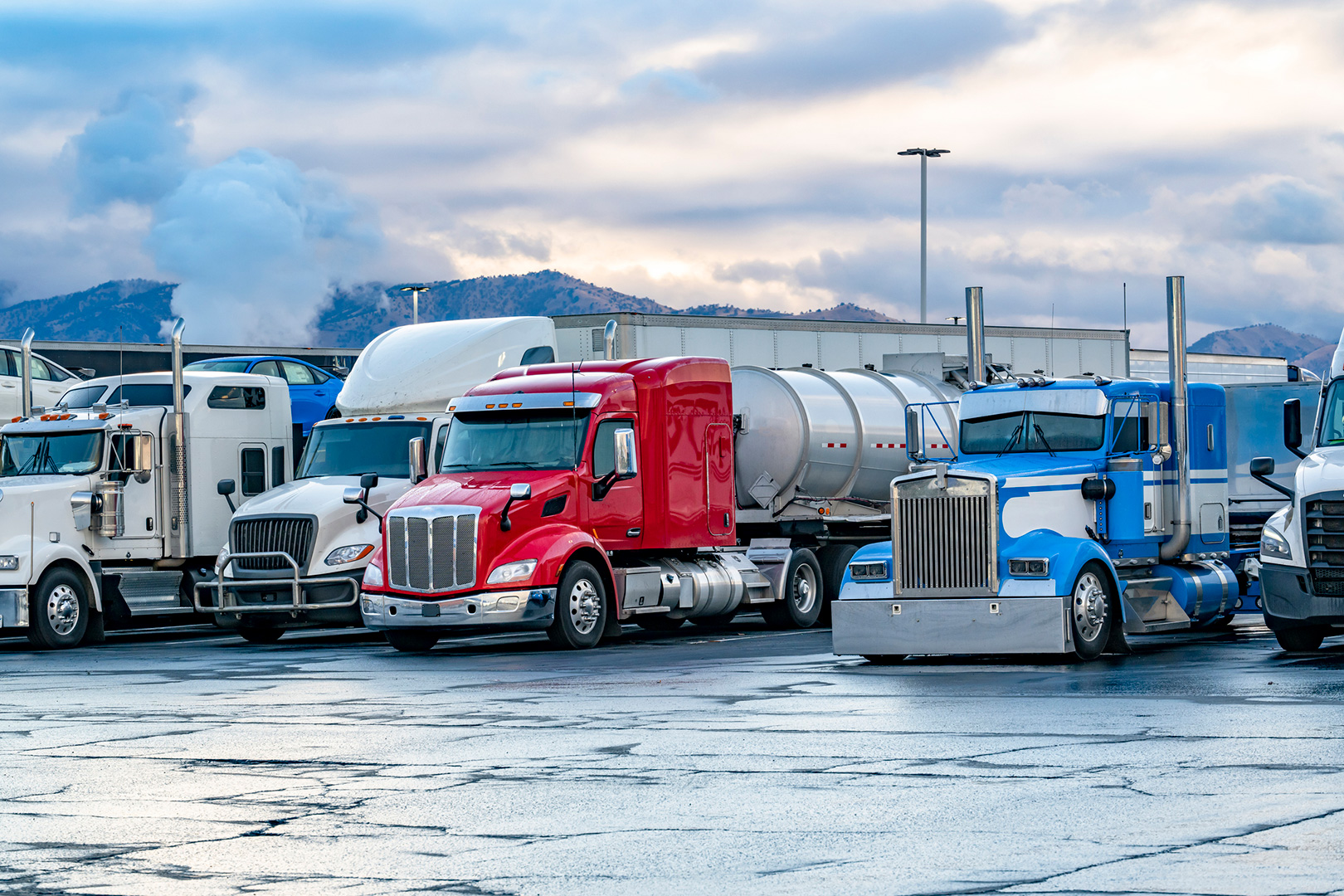
Semi-trucks move goods across short and long distances, traveling 300 billion miles annually and hauling loads of 20 tons (40,000 pounds).
Soot Emissions per Mile:
-
Soot Emissions per Mile:
1.5 grams (0.0033 pounds) -
Freight Capacity:
20 tons
Annual Output:
Trucks emit 450,000 tons of soot annually, calculated from the 300 billion miles traveled annually.
Freight Trains: Green Giants of Land Freight
Trains haul massive loads—up to 4,000 tons (8 million pounds)—making them highly efficient per ton-mile. However, their larger engines consume significantly more fuel per mile.
Soot Emissions per Mile:
- Soot Emissions per Ton-Mile: 0.0000122 grams (0.000000027 pounds)
- Freight Capacity: 4,000 tons (for a fully loaded freight train)
Annual Output:
For 500 billion ton-miles annually, trains emit approximately 6.1 tons of soot annually.
Air Freight: The Cost of Speed
Airplanes prioritize speed but at a steep environmental cost.
Soot Emissions per Mile:
- Soot Emissions per Ton-Mile: 8.33 grams (0.0184 pounds)
- Freight Capacity: 120 tons (for a fully loaded plane)
Annual Output:
Based on 20 billion ton-miles annually, planes emit approximately 166,600 tons of soot annually.
Diesel Particulate Filters
The Key to Cleaner Trucks
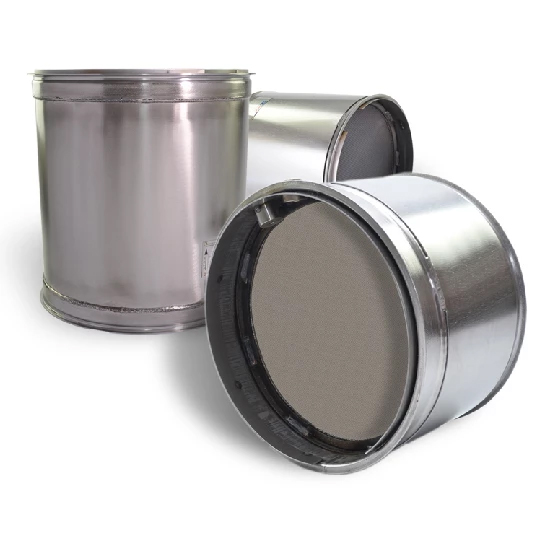
Semi-trucks produce significant soot emissions, but DPFs are designed to trap and reduce particulate matter. By burning off soot during regeneration, DPFs can reduce emissions by up to 100%, ensuring cleaner air and compliance with regulations.
Soot Emissions Comparison
| Transportation Mode | Soot per Mile (grams) | Soot per Ton-Mile (grams) | Annual Soot Output (Tons) | Efficiency Compared to Trucks |
| Cargo Ships | 67.2 | 0.0168 | 1,880 | 4.46x more efficient |
|---|---|---|---|---|
| Freight Trains | 0.0488 | 0.0000122 | 6.1 | 6,150x more efficient |
| Semi-Trucks | 1.5 | 0.075 | 450,000 | baseline |
| Air Freight | 999.6 | 8.33 | 166,600 | 111x less efficient |
Why DPFs Matter
Diesel Particulate Filters are critical for reducing harmful emissions, particularly from semi-trucks. While transportation systems like ships and trains are more efficient per ton-mile, trucks remain indispensable for last-mile delivery. Without DPFs, the environmental and health consequences would be severe.
At DPF Guys, we specialize in maintaining and cleaning DPFs to ensure your fleet operates efficiently and responsibly. Contact us today to keep your trucks compliant, reliable, and on the road.