
The History and Evolution of Diesel Fuel:
From Invention to Modern Engine Challenges
Diesel fuel has a long and fascinating history, starting with Rudolf Diesel, who invented the first diesel engine in 1892. Diesel was driven by a desire to create an engine that was more efficient than steam engines of the time. His breakthrough concept was based on compression ignition, where air is compressed to a high temperature, and fuel is injected into the cylinder, igniting due to the high pressure. This process made diesel engines far more efficient than their predecessors.
The first diesel engine was designed to run on peanut oil and was exhibited at the 1900 World’s Fair in Paris. Diesel’s invention paved the way for a wide array of applications, from powering trains to ships and, of course, trucks. Over time, diesel engines transitioned from biofuels to petroleum-based diesel, driving the growth of industries reliant on powerful, efficient engines. However, along with this evolution came new challenges in managing the fuel’s quality and performance.
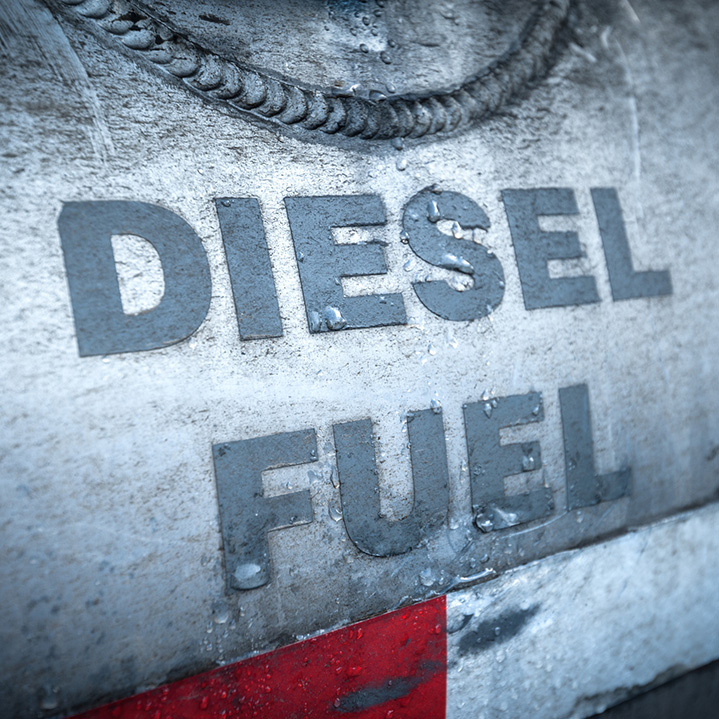
What is Cetane, and Why is It Important in Diesel Engines?
A critical factor in diesel fuel’s performance is Cetane, a measure of how easily the fuel ignites under compression. The higher the Cetane number, the faster and more efficiently the fuel will ignite, which is essential for smooth engine operation, particularly in modern diesel engines that require precise fuel delivery.
In the US, the standard diesel fuel available at the pump typically has a Cetane rating of around 40, while premium diesel can have ratings of 50 or higher. In Europe, where emission standards are stricter, diesel often has a minimum Cetane rating of 51.
Why Cetane Matters for Your Engine: A low Cetane number can lead to rough starts, incomplete combustion, and increased engine wear. To maintain optimal performance, Clean Air Fleet Additive can raise the Cetane rating of your fuel, ensuring faster starts, smoother idling, and better fuel efficiency. By boosting Cetane levels, Clean Air Fleet Additive promotes cleaner combustion, reduces harmful emissions, and extends engine life.
The History of Sulfur in Diesel Fuel: Cleaner Air, But at What Cost?
Historically, diesel fuel contained significant amounts of sulfur, which naturally acted as a lubricant for engine components such as injectors and fuel pumps. However, burning sulfur-rich fuel contributed to sulfur dioxide (SO₂) emissions, which are harmful to the environment and a leading cause of acid rain.
To address these environmental issues, Ultra-Low-Sulfur Diesel (ULSD) was introduced in the mid-2000s, reducing sulfur levels from 500 parts per million (ppm) to just 15 ppm. While this shift significantly improved air quality, it also presented new challenges for engines. The removal of sulfur decreased the lubricity of the fuel, leading to increased wear and tear on critical components.
Restoring Lubricity with Clean Air Fleet: Clean Air Fleet Additive solves the issue of reduced lubricity by replenishing the protective properties once provided by sulfur. The additive helps safeguard fuel injectors and pumps, reducing friction and ensuring that engines continue to run efficiently and reliably.
Fuel-Related Trouble Codes: The Hidden Signs of Fuel System Issues
Modern diesel engines rely on sophisticated onboard diagnostic systems that monitor fuel performance. Fuel-related trouble codes are often the first sign that something is wrong with the fuel system. Some common codes include:
- P0087: Fuel Rail/System Pressure Too Low
- P0088: Fuel Rail/System Pressure Too High
- P2265: Water in Fuel Sensor Circuit
- P0191: Fuel Rail Pressure Sensor Circuit Range/Performance
- P0093: Fuel System Leak Detected
These codes can indicate a variety of issues, from water contamination to pressure irregularities. Ignoring these codes could result in engine damage, expensive repairs, and costly downtime.
Preventing Trouble Codes with Clean Air Fleet: Using Clean Air Fleet Additive helps mitigate these issues by keeping the fuel system clean, preventing water accumulation, and maintaining stable fuel pressure. This reduces the likelihood of trouble codes appearing and helps keep your truck on the road, not in the shop.
What is Asphaltene, and Why Is It a Problem in Diesel Engines?
Asphaltenes are heavy hydrocarbons that can precipitate out of diesel fuel under certain conditions, particularly when fuel is stored for extended periods or subjected to high temperatures. When asphaltenes form, they create a sludge that can clog fuel filters, block fuel lines, and cause significant damage to injectors.
The buildup of asphaltene deposits can lead to reduced fuel flow, poor engine performance, and ultimately, expensive repairs if not addressed.
Breaking Down Asphaltene with Clean Air Fleet: The solution to asphaltene buildup is Clean Air Fleet Additive, which contains powerful detergents designed to break down existing deposits and prevent new ones from forming. This ensures that your fuel system remains clean and efficient, improving overall engine performance and reliability.
Microbial Growth in Diesel Fuel: The Diesel Bug Problem
When water enters the diesel fuel system, it can create an ideal environment for microbial growth, leading to contamination by bacteria, fungi, and mold—commonly referred to as diesel bugs. These microbes thrive at the interface between water and fuel, creating sludge, clogging filters, and even causing fuel tank corrosion. Some common microorganisms found in contaminated fuel include:
- Bacteria: Pseudomonas aeruginosa and Desulfovibrio desulfuricans
- Fungi: Cladosporium resinae and Hormoconis resinae
- Mold: Aspergillus fumigatus
Microbial growth can result in cloudy fuel, slimy residue, and poor engine performance.
Preventing Microbial Growth with Clean Air Fleet: Rather than dispersing water throughout the fuel, as some outdated additives do (which can cause more harm in modern systems), Clean Air Fleet Additive demulsifies water. This allows the water to separate from the fuel and settle at the bottom of the tank, where it can be easily drained or pumped out. This method ensures that water does not enter high-pressure fuel injectors, preventing the risk of injector damage from steam explosions caused by water at high pressures.
Water in Diesel Fuel: The Silent Killer
Water in diesel fuel is a serious threat to modern diesel engines. Whether it enters the system through condensation, poor storage, or contaminated fuel, water can wreak havoc, especially in high-pressure common rail (HPCR) systems where fuel injectors can operate at over 40,000 psi.
In high-pressure systems, any water in the fuel can quickly become a serious problem. When exposed to the extreme heat and pressure within the injectors, water flashes into steam, causing immense pressure that can explode the tips of fuel injectors. This leads to catastrophic damage, including injector failure, engine misfiring, and costly repairs, often resulting in complete engine failure.
Preventing Water Damage with Clean Air Fleet: Unlike outdated additives that disperse water (a dangerous practice for modern HPCR systems), Clean Air Fleet Additive uses a demulsifying action to separate water from the fuel. This allows the water to settle at the bottom of the tank, where it can be safely drained or pumped out, preventing it from entering the injectors. This process protects your fuel system and keeps your engine running smoothly and efficiently without the risk of water-induced injector failure.
What is Fuel Gelling, and Why Should You Care?
Fuel gelling occurs when diesel fuel thickens in cold weather, causing the paraffin waxes in the fuel to crystallize and block fuel filters and lines. This can lead to hard starts, engine stalling, and downtime in cold climates.
Preventing Gelling with Clean Air Fleet: Clean Air Fleet Additive includes anti-gel agents that lower the pour point of diesel, ensuring that it remains fluid even in extremely cold conditions. This is especially important for trucks operating in cold climates, where gelling can lead to significant engine problems and delays.
Clean Air Fleet

Keeping Your Diesel Engine Running Smoothly with DPF Guys
At DPF Guys, we understand that your truck is more than just a vehicle—it’s the backbone of your livelihood. By using Clean Air Fleet Additive, you can protect your engine from common fuel-related problems like gelling, asphaltene buildup, water contamination, and microbial growth. With solutions for increasing Cetane, restoring lubricity, and demulsifying water, Clean Air Fleet ensures that your diesel engine runs smoothly and efficiently, no matter the conditions.
Don’t let fuel problems slow you down—trust DPF Guys to keep your fleet running at its best.